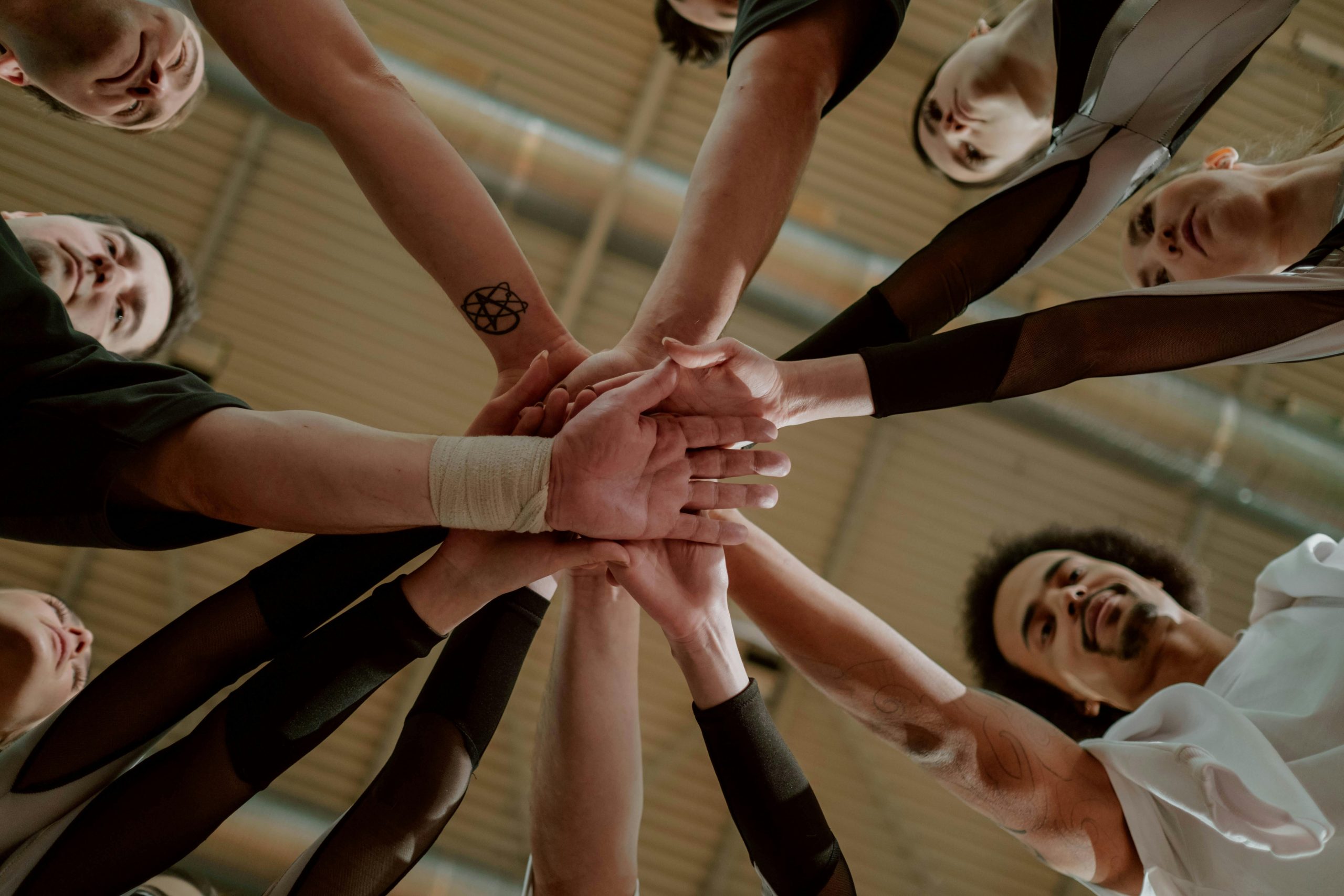
Introduction Why Teamwork Matters More Than Ever
In a world that is continually becoming more interconnected, the ability to work with others is vital; the Army Corps of Engineers knowledge will serve us in this area. In the past organizations may have termed the ability to work with others,” soft skill”; more of a fact than a premise. Whether it is start-up poised to introduce a breakthrough product, a globally situated corporation developing and realizing innovations across borders, or even a community group that tries repeatedly to advance social change – in all cases, working with others related exercises a common thread differences meaningful work and journey teams serve to do.
No amount of intellect or experience contrived alone can operate without synergistic value with other people’s intellect and experiences, especially since everyday issues are actually becoming increasingly sophisticated; and therefore, working with others in a group effort propels individuals and organizations forward. With teamwork, needed organizations and individuals may learn from each other’s differences enhance mixed-groups skill, strengthen and change the course of goals, and prosper in ways that could never be achieved alone.
In this article, we will briefly examine
(1) When we treat teamwork as a concept not a hope or suggestion, we immerse ourselves in its risk of collaboration and therefore shape a collective success;
(2) What the science and psychology is behind teamwork and making team collaboration successful; and
(3) A few action-related ideas for taking teamwork further in our organization, community, or personal task function.
The Essence of Teamwork
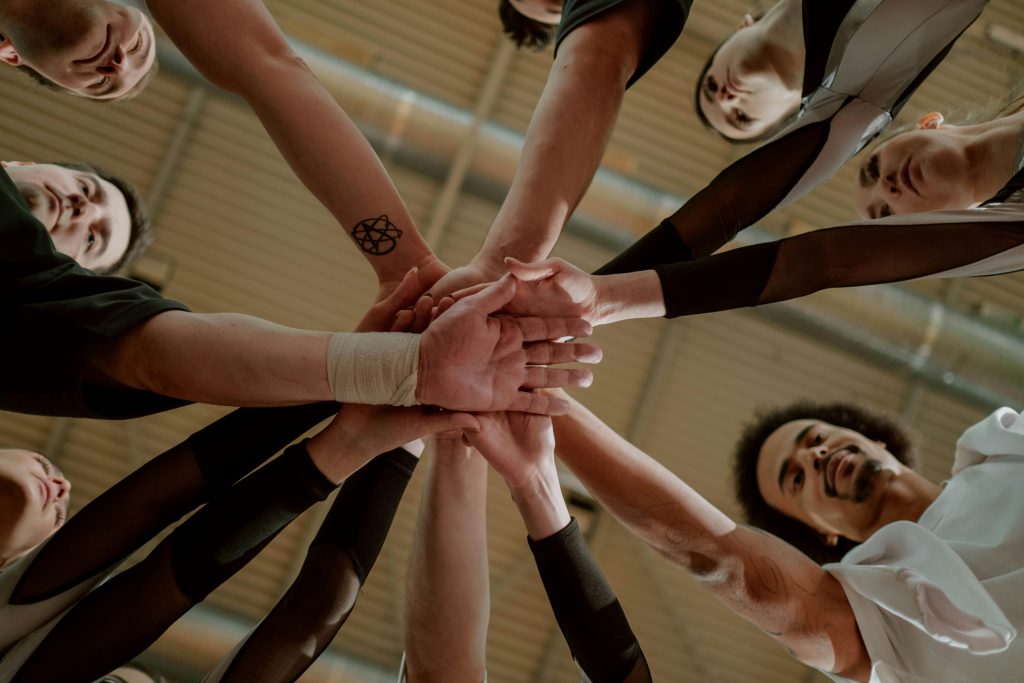
Fundamentally, teamwork is about a group of individual people working together to achieve a common purpose. Teamwork is more than simply cooperating: It means accepting shared responsibility, granting mutual trust, encouraging open communication, and aligning vision.
Three key ingredients make teamwork powerful:
1. Shared Purpose Everyone in the team understands the larger context of the goal and the reason they are pursing it.
2. Complementary skills Individuals have different strengths and when combined together it becomes an entire skill set.
3. Synergy The team’s collaborative actions create new consequences that are greater than individual actions combined.
Synergy is the “magic” of teamwork. When an intact team is working well together, they can create extraordinary productivity, because members inspire, challenge and support one another.
Teamwork throughout History
History clearly indicates how teamwork has enabled some of the greatest accomplishments known to humankind at all times:
• The Apollo 11 Mission (1969) έ Apollo 11 marked the first occasion grounding human beings on the moon. A team of greater than 400,000 people worked together during the mission adjectives, including engineers, scientists, astronauts, and support staff.
• The Manhattan Project (1940s) – A powerful example disregarding ethics. This project demonstrated the raw power of science for the sake of science when bright people came together on a collaborative effort.
• Civil Rights Movement (1960s) – Civil Rights did not stem from one person. Rather, thousands of men and women who worked collectively toward a common goal collectivized success. Grassroots Activism leads much activism with foresight of realities to come.
• Modern Examples – Within the modern landscape, companies such as Apple, Google, and Tesla are successful companies based solely on the work of people. These teams have provided streamlined value with their collective synergy and united vision to keep coming together to innovate and execute.
These examples from history show how the collective effort can produce a good vision into reality.
The Psychology of Teamwork
Social Identity and Belonging
Humans are social animals who have many needs, but belongingness is a fundamental need. An important way to fulfil this need is our involvement in teams and team memberships offer us identity and belonging. When the individuals on a team feel that they belong to that team, their motivation, commitment, and resilience can sky rocket.
Group Dynamics
Psychologist Bruce Tuckman who concluded that teams go through five sequential stages has researched the study of group dynamics: forming, storming, norming, performing and adjourning. Each stage illustrates the facts that teamwork is not immediate, but rather results from conflict, negotiation and joint adaptation.
Motivation and Shared Accountability
When people believe that they may be letting down others if they do not contribute their best effort, they will likely be motivated to do everything they can to make the group successful. Motivation transfers from personal performance to a shared accountability, representing the first step to groupthink and greater collective accountability.
Key Components of Effective Teamwork
To support teamwork in their pursuit of success, it is important to consider:
1. Communication
Communication leads to alignment and prevents misunderstandings. Active listening encourages trust and minimizes conflict.
2. Defined Roles and Responsibilities
When roles and responsibilities are clearly outlined, issues with duplication of efforts are diminished and accountability is enhanced. When roles are clear, each part of of the team is able to work in their area of strength.
3. Trust and Safety
Teamwork works best when members feel safe to share ideas that they might have otherwise kept to themselves, for fear of being ridiculed. Trust encourages candor, creativity and risk-taking.
4. Diversity and Inclusion
Diversity of thought leads to richer solutions. Inclusion values all voices, which minimizes the number of blind spots.
5. Shared Purpose and Goals
When a team has clarity of purpose and direction, they are ultimately more cohesive and resilient.
Teamwork in the Workplace
In organizational contexts, teamwork serves as the foundation for productivity, innovation, and more. Additional businesses are grouping their efforts onto teams, in place of putting stock into a group of “superstars,” the business successes around the world are dependent more on the collective intelligence of teams.
• Innovation Teams: Cross-functional teams can foster innovation, combining creativity and insights from disciplines like engineering, design, marketing, and sales.
• Agile Work Models: Agile emphasizes teams via sprints, but they also focus teambuilding activities post sprint and stand-up meetings to motivate a diverse team to create solutions.
• Remote and Hybrid Teams: In a virtual world, collaboration is enabled by technology, while simultaneously dependent on trusting and cohesive strategies to bring in teams dynamic.
Benefits for Organizations:
• Increased efficiency and productivity.
• Higher levels of employee engagement and satisfaction.
• Broader perspectives that provide better problem solving.
• Improved ability to adapt to changes in the market and technology.
Challenges to Teamwork
Teamwork is powerful, but it also comes with challenges:
1. Conflict and Personality Conflicts
Tensions arise when there are differences in values, styles, or the processes for communicating. Poorly managed conflicts will lead to separations instead of growth.
2. Groupthink
When there is too much harmony, there will be no dissension and poor decisions can be made. Be sure to stimulate constructive dissent.
3. Disproportionate Contribution
Some members are able to “free ride” and rely on other members to do the work for them. Limited accountability does allow disproportionate contributions to be made.
4. Remote Work Challenges
Even with digital communicative tools, lacking face-to-face communications can lead to a decay in trust and connectedness. Remote work provides a logistics barrier in that time zones may be off balance and unavailability is sometimes an issue.
Teamwork beyond Workplaces
Teamwork is not limited to corporate settings it is just as vital in other domains:
- Sports Teams: They are not just reliant on individual capabilities of their players, but also the collaboration, trust, and execution of the plan.
- Healthcare Teams: Doctors, nurses, and technicians all need to work as a team for more efficient and effective patient care.
- Education: Learning is collaborative, which is essential for cognitive transition from opinion to critical thinking, and moving from teaching fact to understanding expression.
- Community Projects: Collective action at the grassroots level is an avenue for social change and community development.
Building Stronger Teams: Practical Strategies
1. Team Development Activities Certification of workers icebreakers, retreats, and workshops are designed to solidify interpersonal relationships.
2. Effective Leadership Transformational leadership defines the ability to inspire, coach, and empower a team instead of command it.
3. Feedback Culture Continuous constructive feedback keeps everyone aligned within the team and their contributions for their growth as a team and advancement in their career.
4. Technology Tools Use of tools like Slack, Microsoft Teams, and Asana to facilitate conversations and processes to help teams work together better.
5. Recognizing Success Recognition of successes builds morale and affirms the values of the team.
The Future of Teamwork
As artificial intelligence, automation, and globalization reshape industries, teamwork will change in important ways:
•Human AI collaboration: Teams will include AI systems as “team members” to perform data-intensive tasks.
•Global virtual teams: How we think about cultural intelligence will change, as team members will work together from continents away.
•Resilient teams: The future worker will value agility, workspace/mental wellbeing and cooperative problem solving more than ever.
Conclusion Unlocking Collective Power
There is strength in teamwork – taking individual or group effort and creating collective effort. It is not about subduing individualism, but organizing strengths, trust, and shared vision.
When people come together communicating openly and with mutual respect and engagement. They create strength far beyond any one individual. Teamwork matters in work, communities, and global initiatives. Teamwork facilitates success, innovation, and forward motion.